
Chittagong Friday, 23 October 2026
Chittagong Friday, 23 October 2026
Headline
Md. Kamal Uddin | ০৮:২৮ পিএম, ২০২৫-০৯-২১
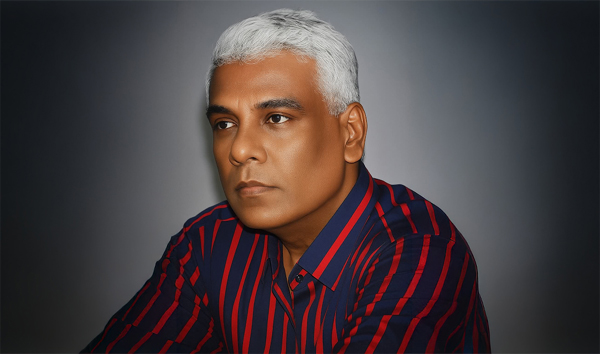
Dear readers, the inspiration for this article comes from the heartfelt sigh and voice of protest of a courageous journalist, Mizanur Rahman Chowdhury. I begin by paying my deepest respect and gratitude to the countless martyrs of the July Movement. Their fresh blood has written a new history of our struggle for freedom. Yet, tragically, the dream they sacrificed their lives for remains unfulfilled. Corruption, plunder, and the unchecked dominance of mafias now threaten to derail the nation once again. This is why the call for another great revolution has become urgent.
The man who inspired me to write this is none other than the brave journalist of our time, Mizanur Rahman Chowdhury—Editor and Publisher of multiple newspapers including Amader Bangla, and Chairman of Love Bangladesh. In my conversations with him, I realized that he is not just a journalist—he is a voice of defiance. His grievances, frustrations, and despair are not directed against any single individual, but against the deep-rooted sickness of the entire system. He spoke candidly: corruption has not decreased; instead, it has expanded in new forms. Plundering continues unchecked, with new syndicates emerging every day. Sometimes under the banner of BNP-Jamaat, sometimes under the mask of July revolutionaries, sometimes disguised as bureaucrats, political opportunists, or even so-called journalists—together they are looting the wealth of the nation.
Chowdhury’s anger lies precisely here: those entrusted with building the nation have become its destroyers. He reminded me that the pledge of the Liberation War was the emancipation of people, the realization of economic equality, and the creation of a just society free from exploitation. The independence won at the cost of millions of lives has still not become meaningful. Mental freedom has not come, economic liberation remains a dream, and peace in people’s lives is absent.
Throughout history, our student community has always had to stand on the streets—whether to overthrow Ershad’s dictatorship or during the July Revolution against fascist rule. Yet even those bloody sacrifices are now being squandered by opportunists. Chowdhury’s words struck me deeply. His frustration, his dissatisfaction, and his warnings shook my inner unrest. He told me plainly: the so-called revolutions of the past were half-revolutions. They did not fulfill the hopes of ordinary people, nor are they likely to in the future—because once again a class of greedy, dishonest, and opportunistic people are plundering under new banners.
In his words, I saw a serious warning: if we do not stand on the right path now, the nation will once again lose its way. And when that happens, no one will take responsibility for the disaster. To prevent this, we need a new awakening of the people—a true revolution that unites the oppressed, the deprived, and the humiliated. But this revolution does not mean violence. It means striking injustice with the oath of justice.
The words of journalist Mizanur Rahman Chowdhury inspired me to take up the pen. His thoughts reminded me: no change will be permanent unless it reflects the hopes and aspirations of the people. Thus, in today’s context, his voice has become my guide. His defiance has given me courage to speak the truth and strength to protest against injustice. Every word of this article carries the debt of his inspiration.
Let us not forget—our nation’s history stands on immense pain and sacrifice. In the battlefields of 1971, we lit the torch of independence at the cost of millions of lives. That torch still guides us. But independence is not just about liberating land—it also means restoring dignity, opportunities, economic freedom, and social justice. Tragically, corruption, syndicates, abuse of power, and the erosion of civil rights have eroded much of that promise.
As a journalist, I write for the people. My wish is that this article may inspire the deprived and humiliated to rise with renewed hope—hope to work for social justice under the light of the Constitution. Yet I must also be careful: when I speak of revolution, I do not mean violence, anarchy, or lawlessness. If there is to be a movement, it must be non-violent, legal, and democratic—for our goal should be the triumph of justice and law, not chaos.
At the root of our present crisis are many issues: insatiable corruption, financial irregularities in government offices, abuse of power, suppression of the press, and limited opportunities for the youth. Together, these create deep uncertainty. Syndicates seize this chance to loot resources, while opportunists dissolve the dreams of the people. In response, young people are taking to the streets—not only in anger, but with demands for justice, rights, and dignity. If the state and society fail to respond, despair will grow and divisions will deepen.
But what is the right path? I believe true change must come through structured planning, evidence-based reform, and lawful processes. Here are some practical steps:
• Independent Anti-Corruption Body – Establish a politically neutral, autonomous agency free from pressure to investigate corruption cases and dismantle syndicates.
• Transparent Recruitment – Ensure fair, competitive recruitment in government jobs with auditing and public oversight to restore trust.
• Press Freedom & Protection – Guarantee journalists’ safety and legal protection, so crimes are exposed and information flows freely.
• Economic Reforms – Promote small and medium enterprises, create jobs, enforce fiscal transparency, and recover looted wealth for public welfare.
• Youth & Student Leadership – Provide political education, democratic training, and lawful engagement for students—the backbone of change.
• Grassroots Unity – Build community-based workshops and solutions at local levels to strengthen trust and collective ownership.
None of this will succeed without genuine political will, impartial judiciary, effective media, and active civil society. Removing individuals is not enough; the economic and administrative system itself must be reformed. Without structural change, no short-term victory will last.
Another key question: Who is this struggle aimed at? I believe terms like “looters” and “mafias” must be backed by legal evidence. Otherwise, public anger risks turning into personal vendettas instead of systemic reform. Transparent investigations, lawful prosecutions, and confiscation of illegal wealth—redistributed to society—are the real path to justice.
I believe with the power of words, the strength of the pen, and unity of humanity, we can achieve great change. It is our collective duty to rebuild society through democratic means. When the state, judiciary, media, and citizens work together, only then will we realize the golden dream for which 1971 and the July Movement gave their lives.
Finally, let me say: this struggle will be of justice, not rage; of law, not violence; of unity, not division. A positive, disciplined, and democratic movement will truly liberate this nation—restoring freedom of speech and confidence in people’s hearts. With that conviction, I will continue to wield my pen, speak the truth, and call for unity.
With utmost respect and unwavering determination,
The Author: Journalist, Researcher, and Television Presenter


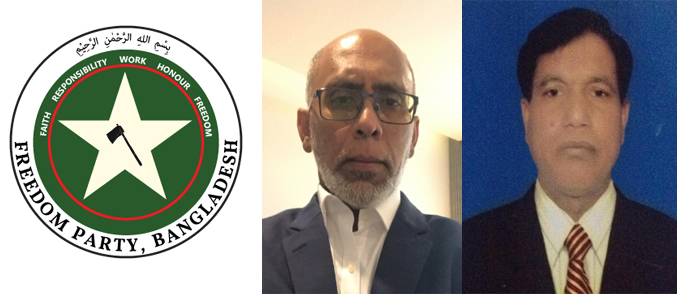
Md. Kamal Uddin : Bangladesh stands today at a critical turning point in its history. With a renewed commitment to the people, the nation, and our sovereignty, the Freedom Party (FP), Bangladesh, is returning to the national arena. Our goal is to rebuild Bangladesh as a proud, ...বিস্তারিত
Md. Kamal Uddin : Md. Max, The Daily Tourist, Cox's Bazar: I am a frequent beach stepper of the world's longest sandy beach, Cox's Bazar. I admire the scenic beauty of nature, and I try to help the foreigners by showing them around, which has been done by me fo...বিস্তারিত
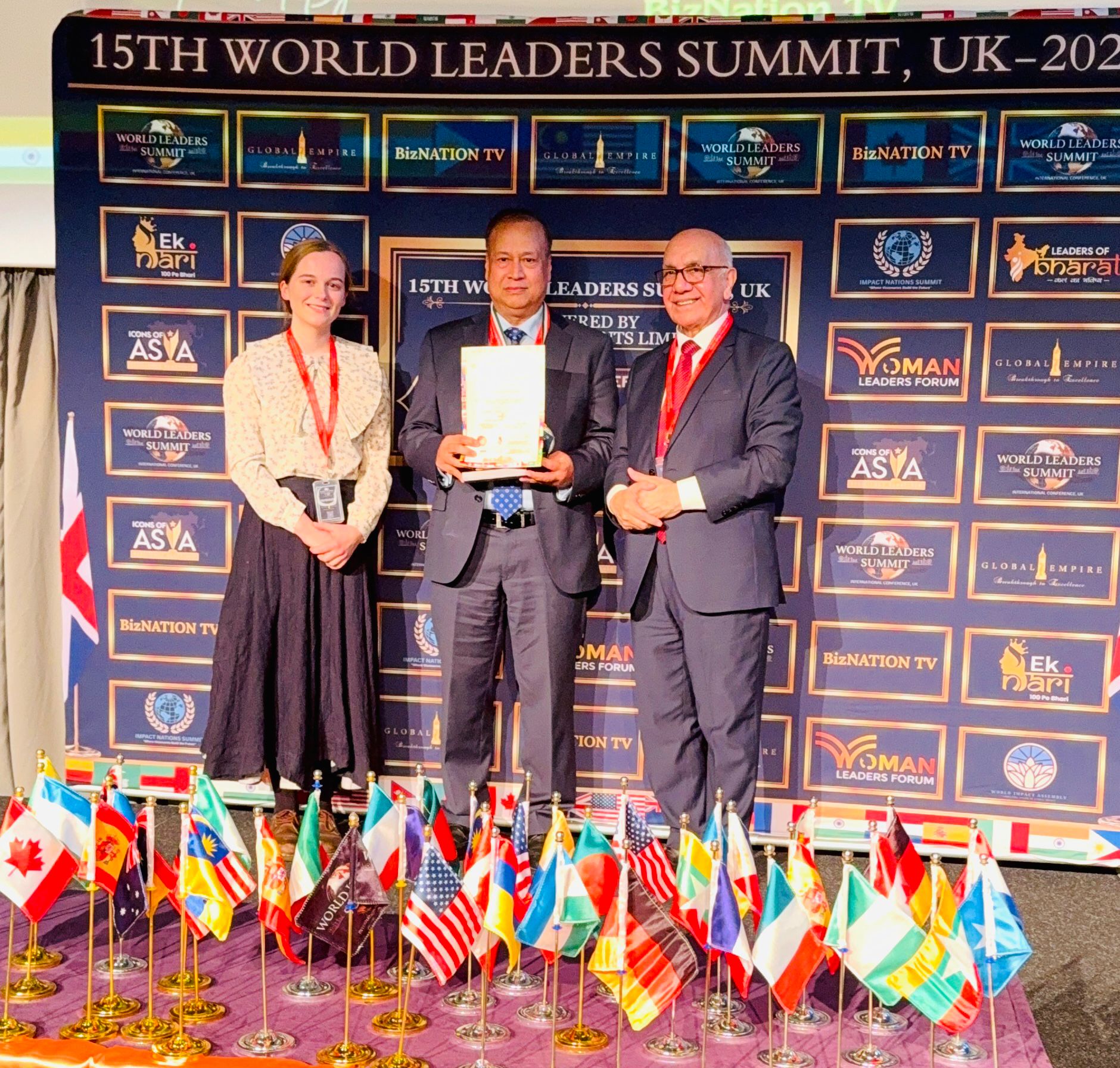
Md. Kamal Uddin : Barrister Monwar Hossain, a distinguished British-Bangladeshi lawyer, has been honoured with the prestigious Lifetime Achievement Award in the fields of law and human rights at the 15th World Leaders Summit, an international conference held at Keble Colle...বিস্তারিত

Md. Kamal Uddin : Kamal Uddin: On the occasion of International Human Rights Day 2025, observed on 10 December, M. A. Hashem Raju, President of the International Human Rights Commission (IHRC) Bangladesh Chapter and former student leader, has issued a formal statement....বিস্তারিত
.jpg)
Md. Kamal Uddin : In law enforcement, we often imagine rigidity, strategy, operations, and strict application of law. Within this frame, we rarely expect to find compassion, emotional depth, or literary consciousness. Yet sometimes, inside the uniform, resides a personality who...বিস্তারিত
.png)
Md. Kamal Uddin : Under the decisive leadership of Chattogram Metropolitan Police Commissioner Hasib Aziz, several dedicated police officers have played a pivotal role in maintaining law and order across the city, and among them, Officer-in-Charge (OC) of Panchlaish Police Stat...বিস্তারিত



National Desk : : Maksud Ahammed, Returend from Rupganj (Narayanganj): An allegation has been made against the headmaster of the school for selling government trees in the premises of Pitalganj Brahmankhali Government Primary School No. 23 in Rupganj Upazila of Narayanganj...বিস্তারিত
National Desk : : Alom Khan, Sibpur(Narshingdi) correspondant: Investing is not gambling; there is no room for emotional vulnerability in investment decisions. It is a measured and calculated quantitative and logic-driven investment decision. The stock, commodity, forex an...বিস্তারিত


© সর্বস্বত্ব স্বত্বাধিকার সংরক্ষিত ২০১৯ - © 2026 The DailyTourist BD | Developed By Muktodhara Technology Limited