
Chittagong Friday, 23 October 2026
Chittagong Friday, 23 October 2026
Headline
Md. Kamal Uddin | ০৬:২৭ পিএম, ২০২৫-১১-১৯
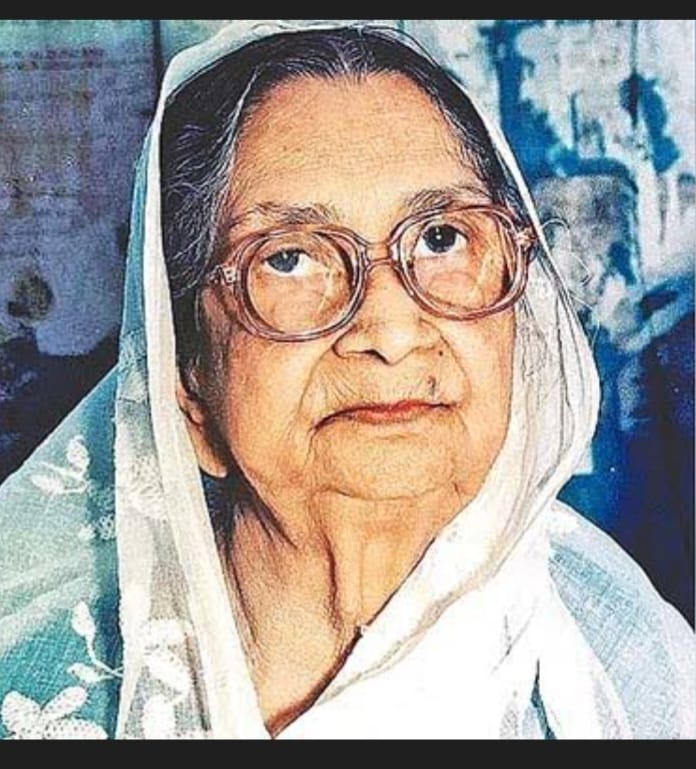
— Md. Kamal Uddin November 20. In the annals of Bengal’s history, this day still rings as an invisible toll of sorrow. On this day, we bid farewell to our beloved poet Sufia Kamal— a woman who was not just a poet, but a symbol of courage, a guide to humanity, a star of struggle, and one of the conscience-bearers of the Bengali nation. From my very first days in journalism, I have written countless times about her words, her ideals, and her stories of struggle. Later, as a teacher, I introduced her books, poems, and essays to young minds in the classroom. Today, years later, I have the opportunity to write about her again— a task that feels both an honor and a burden. For when one pens thoughts about a figure as grand as Sufia Kamal, words often seem too small, too inadequate. Yet, I write— with respect, love, wonder, and a deep sense of duty. Born in 1911 in Saiyestabad, she entered a world where even speaking Bengali was forbidden; women’s education was seen as a luxury, and a girl’s life was confined to the veil and the inner chambers. In that environment, Sufia Kamal came into being. She later wrote: “Even if born in darkness, light will come— that was my belief.” Despite her father’s absence, the strictures of her maternal household, and the Urdu-speaking walls of a nawabi home, she opened for herself the luminous world of books. Her uncle’s vast library became her first university of self-education. Hence, she said: “No one gave me education; I sought it for myself.” Married at just 13, destiny smiled upon her in a peculiar way— her husband was progressive-minded. Without him, perhaps we would never have known Sufia Kamal as the pioneering force of literary and social struggle. In Kolkata, she met another luminary— Begum Rokeya Sakhawat Hossain. That encounter awakened a dormant strength within her, like a volcano. Rokeya was not just her inspiration but her ideal, the blueprint of her struggle, and a lifelong guiding light. Following Rokeya’s path, she proclaimed: “Women’s liberation means not just women’s freedom, but the freedom of society as a whole.” In 1926, with the publication of Bashanti, Bengali literature paused in admiration. Such tender words carrying such resolute expression were rarely seen from a woman’s pen. In the following years, she published Sanjher Maya, Maya Kajol, Udatto Prithibi, Abhijatrik, Mrittikar Ghrān, Proshosti O Prarthana— each book a new arrangement of life, a new note of struggle, an unprecedented world of love and compassion. Nazrul wrote the forewords to her poetry, and Rabindranath Tagore praised her— it was historic for Bengali literature. Yet, she never succumbed to pride, for she knew: “If literature does not stand by humanity, it is merely a garment of words.” In Dhaka, in 1952, she stood at the forefront of women’s marches. Every slogan she chanted was firm, courageous, fearless. When Rabindra Sangeet was banned, she protested, undeterred by the threat of death. During the 1969 uprising, she refused Pakistan’s Tamgha-e-Imtiaz, writing: “To accept the reward of injustice is to sell one’s conscience.” In 1971, her residence in Dhanmondi was under surveillance, yet she stood unwavering, carrying the dream of an independent nation. She envisioned Bangladesh with love, responsibility, and a kind of maternal care. She established organizations like Kochikachar Mela and numerous women’s movements, and as president of Chhayanaut, she built cultural resistance. Under her leadership, Bengali songs, poetry, and drama became tools of secularism. In the anti-dictatorship movement of 1990, she broke the curfew and led silent processions— a wonder of time, transcending age. On November 20, 1999, she passed away. But did she really? Today, she lives in the pages of her books, shines as a light of hope in women’s eyes, and breathes courage into every progressive thought. She is the first woman in Bangladesh’s history to receive state honors— a testament that this country not only loved her but has enshrined her in its heart. As a police officer, my work revolves around crime, law, and society. I am not a literary figure. Yet, writing about her makes the pen tremble, for she was a living epic— every chapter forged in the fire of struggle, every sentence blooming with humanity, every poem a torch of women’s awakening. Remembering her is awakening one’s own conscience, asking oneself:
Have I truly stood by humanity?
Have I been on the side of truth?
These are the lessons she taught us. In one of her poems, she wrote:
"I will remain among people forever,
My path is for the good of humanity."
Indeed, she remains— in the hearts of people, in their love, in their struggles. On her 26th death anniversary today, we bow our heads and say:
You are our guiding light, you are the eternal awakening of our conscience. Respect, profound respect.



News Desk : Chattogram Buroue office: CMP Police and intelligence agencies have stepped up monitoring in Chattogram following a series of sudden processions allegedly organised by leaders and activists of the banned Bangladesh Chhatra League (BCL) in different parts of th...বিস্তারিত
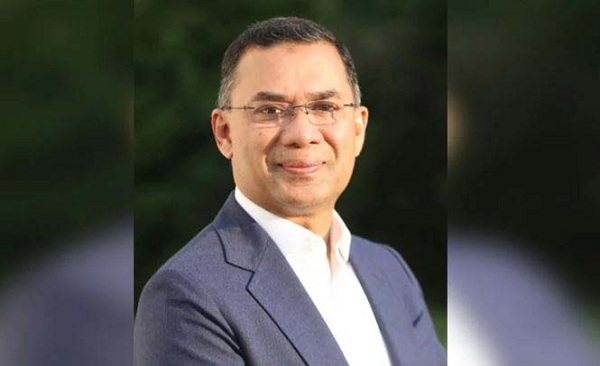
National Desk : : International Desk: PM Tarique Rahman has left New York for home after winding up a five-day visit packed with high-level engagements.An Emirates flight carrying the Prime Minister, his wife Dr Zubaida Rahman and members of his entourage departed John F Kenned...বিস্তারিত
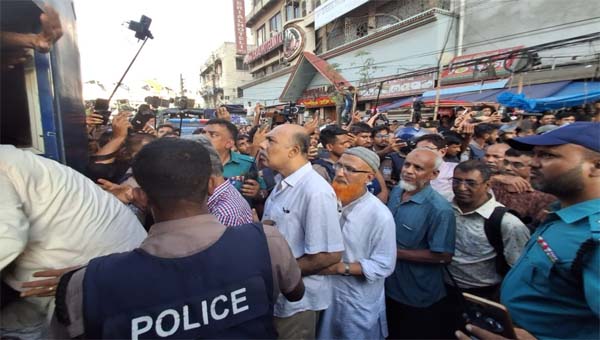
National Desk : : Maksud Ahammed: DMP(Dhaka Metropolitan Police) detained ‘more than 300 activists of the banned AL from the main office of the Jatiya Samajtantrik Dal- JASAD at Gulistan’s GPO intersection in Dhaka on Saturday afternoon.According to Police Sou...বিস্তারিত
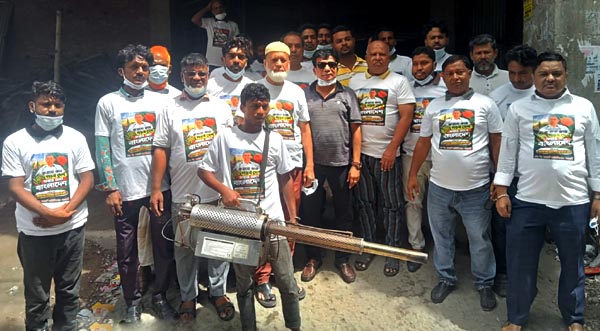
National Desk : : Abdus Sabur Khan from Tongi: On Wednesday (September 23), an initiative to spray insecticide for dengue mosquito prevention was carried out across various locations in Ward No. 56. This program was organized by Md. Akbar Hossain Faruk—who serves as the N...বিস্তারিত
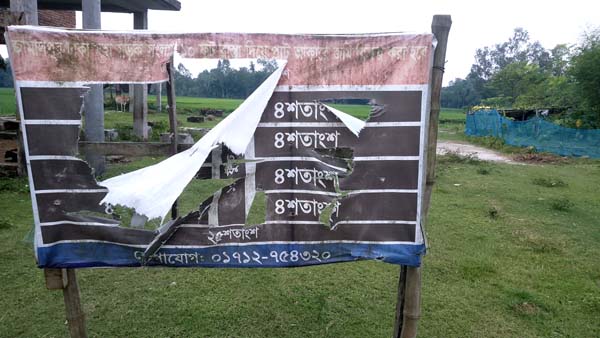
National Desk : : Reported by Shah Ali Bachchu from Jamalpur: Allegations have been raised regarding the dispossession of land—purchased and occupied 33 years ago—along with demands for extortion money and death threats. These allegations are directed against Alkach...বিস্তারিত
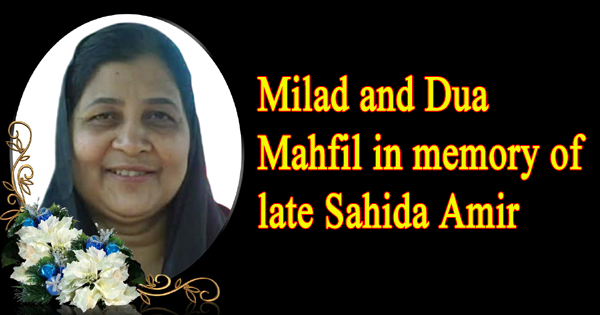
National Desk : : Benjamin Rafiq: A Milad and Dua Mahfil was held on Friday (September 18) after Jumu'ah prayers for Sahida Amir (63)—wife of the late Amir Khan and mother of Sajjad Khan(former Joint Convener of Motijheel Thana Jubo Dal), as well as Raju Khan and Riad...বিস্তারিত



National Desk : : Maksud Ahammed, Returend from Rupganj (Narayanganj): An allegation has been made against the headmaster of the school for selling government trees in the premises of Pitalganj Brahmankhali Government Primary School No. 23 in Rupganj Upazila of Narayanganj...বিস্তারিত

National Desk : : Alom Khan, Sibpur(Narshingdi) correspondant: Investing is not gambling; there is no room for emotional vulnerability in investment decisions. It is a measured and calculated quantitative and logic-driven investment decision. The stock, commodity, forex an...বিস্তারিত


© সর্বস্বত্ব স্বত্বাধিকার সংরক্ষিত ২০১৯ - © 2026 The DailyTourist BD | Developed By Muktodhara Technology Limited