
Chittagong Friday, 23 October 2026
Chittagong Friday, 23 October 2026
Headline
Md. Kamal Uddin | ০৬:৪৮ পিএম, ২০২৫-১০-২১
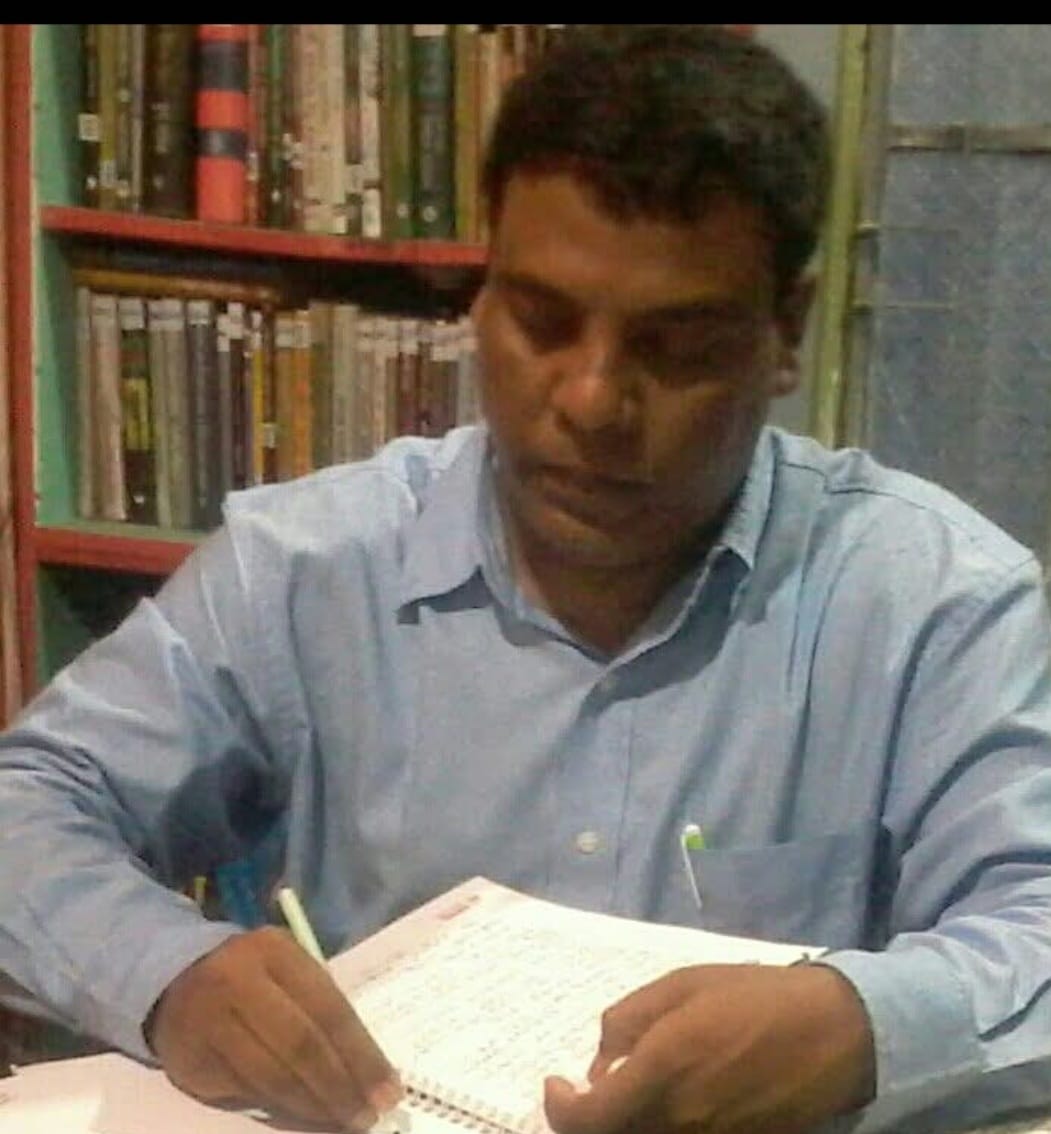
— Md Kamal Uddin
Sometimes I can’t help but laugh! Those who proudly display their degrees and certificates—graduates of elite schools and universities—often stumble when they sit down to write. Their pens seem to rebel, as if protesting: “No more of this writer, please!” And me? (Haha!) I have no grand certificates, no nostalgic memories of sitting on school benches. Yet, I write—day and night. Those who boast about writing as if it were a sacred ritual often steer clear of the sharp edge of my pen. Believe it or not, I never truly attended school. If you count the few times I stepped into a classroom, it hardly qualifies as “education.” How many textbooks does a student study in their entire academic life—from first grade to master’s degree? Let’s see. In Bangladesh’s education system, a student reads on average about 148 textbooks from primary school to postgraduate level—around 35–50 in primary, 50–60 in secondary, 15–20 in higher secondary, and 30–40 in university. Yet I read all those in a single month! What did I read in the remaining eleven months of the year? Thousands of books—beyond any syllabus, beyond any classroom. Over my lifetime, I must have read nearly three hundred thousand books.
So, if a person reads only 150 textbooks throughout their life, how much wisdom can they truly gain? That’s why I say—I did not learn from any institution. My education came from life itself. And today, I stand with pride in the field of journalism, not because of any degree, but because of experience, honesty, and truth. Once, I publicly challenged a few renowned journalists at the Chittagong Press Club—inviting them to compete with me in writing and television presentation. I even announced a prize of one lakh taka for anyone who could surpass me. Not one of them accepted. That does not make me a self-proclaimed genius; I have always said—and still say—I know nothing. I am a lifelong student, always learning. This article is both a self-revelation and a protest. I am “uneducated” only by institutional standards—but I have picked up the pen against those so-called “educated journalists,” whom people secretly call “knowledge hypocrites.” They believe that without fluent English or a university degree, one has no right to speak. But those who have studied life itself—who have faced injustice and raised their voices—are the true teachers of truth. I never went to school, but I have learned from life—its laughter and sorrow, its politics, economy, and culture. That lifelong learning gave birth to my research work, “Journalists and Newspapers,” which is now used as a reference text in several journalism departments across Bangladesh. I have written only thirty books, yet every one of them is rooted in life and human experience. I dedicate this writing to those “highly educated” journalists who fear to write the truth, who bow to power and convenience. Journalism is not a career—it is a moral calling, a spiritual practice, and the conscience of society. You cannot become a journalist by earning certificates; journalism teaches vision, integrity, and courage. Those Who Studied Life Instead of Textbooks
Mark Twain (USA) Had only a few days of schooling. After his father’s death, he worked in a print shop, then as a steamboat pilot before becoming a journalist. His masterpieces The Adventures of Tom Sawyer and Huckleberry Finn remain immortal in world literature. Horace Greeley (USA) His formal education ended early due to poverty. Working in a print shop, he went on to found The New York Tribune, using his pen to shape American democracy and social reform.
George Orwell (UK) Never attended university, yet became a fearless voice of truth. His 1984 and Animal Farm still stand as warnings against tyranny.
Bal Thackeray (India) From an uneducated cartoonist to the founder of the newspaper Saamana—his pen turned into political power.
Julian Assange (Australia) A self-taught genius who, through WikiLeaks, redefined investigative journalism across the globe. Kuldip Nayar (India)
Limited formal education, but vast experience. His autobiography Between the Lines remains a cornerstone of South Asian journalism.
Those Who Came to Journalism from Other Professions Oriana Fallaci (Italy) — Began as a nurse, became one of the world’s most courageous war correspondents.
William Hearst (USA) — A businessman turned newspaper tycoon. Nellie Bly (USA) — From factory worker to pioneer of investigative journalism.
Walter Cronkite (USA) — Truck driver turned the world’s most trusted news anchor. Bangladeshi Journalists from Diverse Backgrounds
Tafazzal Hossain Manik Mia — A lawyer who became the voice of the nation through The Daily Ittefaq. Abdul Gaffar Chowdhury — From a laborer in London to a legend of expatriate journalism. Shaukat Osman — A teacher who used literature and journalism to awaken conscience. Mahbub Talukdar — A bureaucrat who wrote fearlessly about humanity and truth. Matiur Rahman (Editor, Prothom Alo) — From agriculture to journalism, ushered in a new era of media culture. From the Working Class to the Frontlines of Truth Abdul Hakim (Chittagong) — A porter who became a publisher for laborers’ voices. Abu Taher Mithu — A street vendor turned journalist, a living story of struggle.
Firoz Khan — A boatman who pioneered rural journalism. From Journalism to Leadership Bangabandhu Sheikh Mujibur Rahman — Began as a young journalist for Krishak, mastered both the language of people and politics. Tofail Ahmed — From student editor to political leader. Mahfuz Anam — From civil service to journalism, built The Daily Star into a beacon of ethical journalism. Anisul Haque — From journalist and presenter to beloved mayor and public servant. Winston Churchill — From war correspondent to statesman and Nobel laureate.Ernest Hemingway — From war journalist to literary icon. Marie Colvin — Lost an eye in war but never stopped reporting humanity’s burning truths. Education Is Not the Soul of Journalism—Courage Is These individuals proved that journalism’s power lies not in degrees, but in truth, honesty, and moral vision.
Some were porters, some vendors, some teachers, some bureaucrats—but they all held pens that shaped history. Journalism is not just a profession—it is a force for change, a companion in nation-building, and the reflection of a people’s conscience. A journalist’s pen can write history, light the darkness, and shape leadership for generations to come.


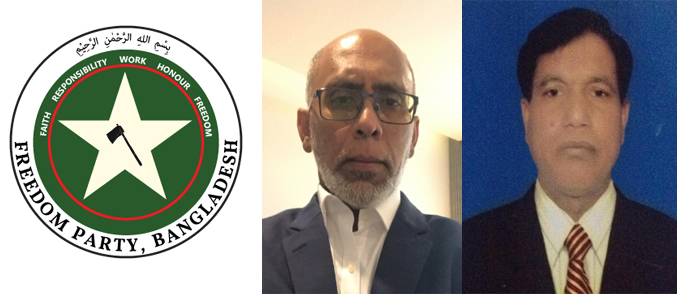
Md. Kamal Uddin : Bangladesh stands today at a critical turning point in its history. With a renewed commitment to the people, the nation, and our sovereignty, the Freedom Party (FP), Bangladesh, is returning to the national arena. Our goal is to rebuild Bangladesh as a proud, ...বিস্তারিত
Md. Kamal Uddin : Md. Max, The Daily Tourist, Cox's Bazar: I am a frequent beach stepper of the world's longest sandy beach, Cox's Bazar. I admire the scenic beauty of nature, and I try to help the foreigners by showing them around, which has been done by me fo...বিস্তারিত
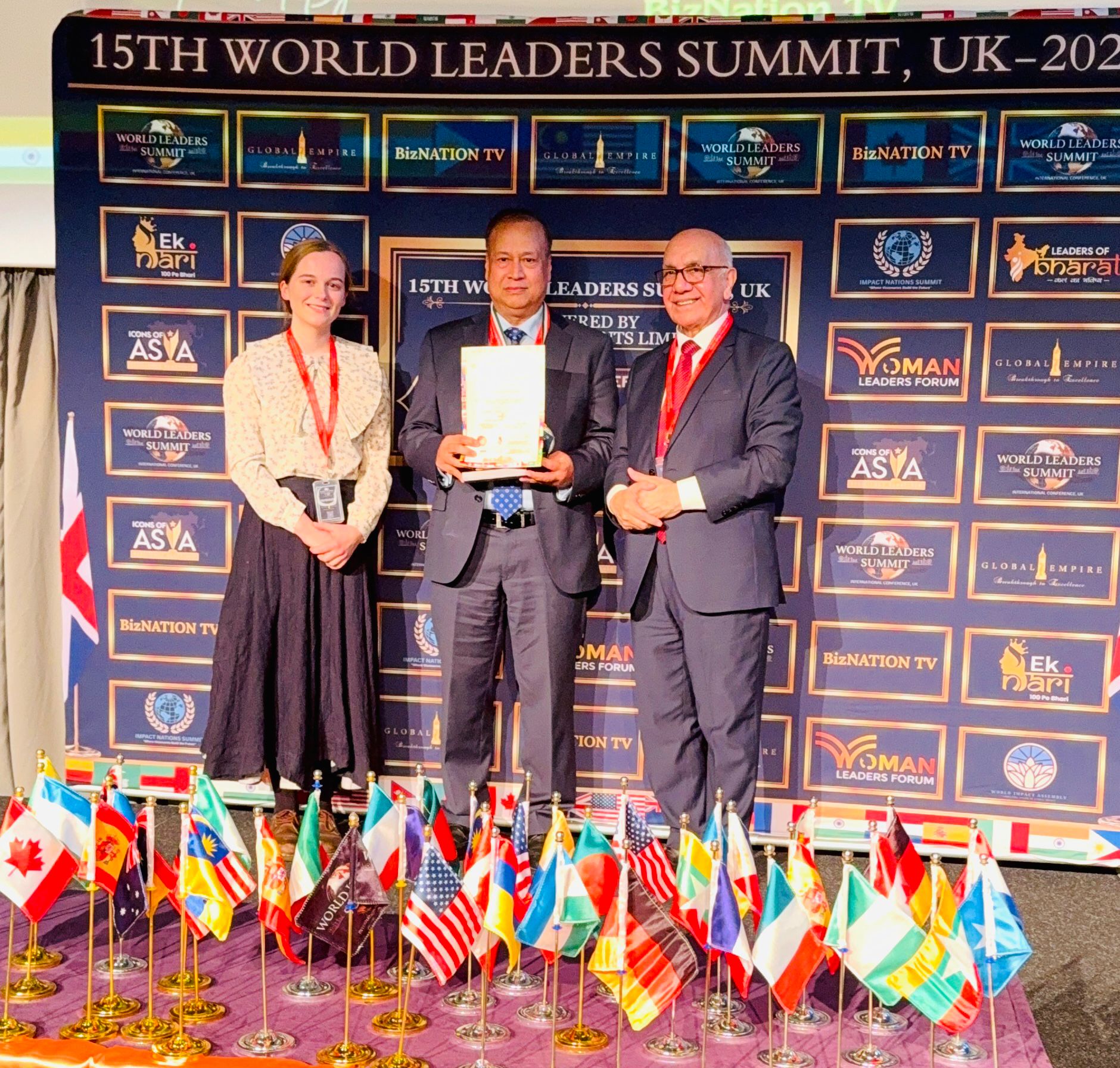
Md. Kamal Uddin : Barrister Monwar Hossain, a distinguished British-Bangladeshi lawyer, has been honoured with the prestigious Lifetime Achievement Award in the fields of law and human rights at the 15th World Leaders Summit, an international conference held at Keble Colle...বিস্তারিত

Md. Kamal Uddin : Kamal Uddin: On the occasion of International Human Rights Day 2025, observed on 10 December, M. A. Hashem Raju, President of the International Human Rights Commission (IHRC) Bangladesh Chapter and former student leader, has issued a formal statement....বিস্তারিত
.jpg)
Md. Kamal Uddin : In law enforcement, we often imagine rigidity, strategy, operations, and strict application of law. Within this frame, we rarely expect to find compassion, emotional depth, or literary consciousness. Yet sometimes, inside the uniform, resides a personality who...বিস্তারিত
.png)
Md. Kamal Uddin : Under the decisive leadership of Chattogram Metropolitan Police Commissioner Hasib Aziz, several dedicated police officers have played a pivotal role in maintaining law and order across the city, and among them, Officer-in-Charge (OC) of Panchlaish Police Stat...বিস্তারিত



National Desk : : Maksud Ahammed, Returend from Rupganj (Narayanganj): An allegation has been made against the headmaster of the school for selling government trees in the premises of Pitalganj Brahmankhali Government Primary School No. 23 in Rupganj Upazila of Narayanganj...বিস্তারিত
National Desk : : Alom Khan, Sibpur(Narshingdi) correspondant: Investing is not gambling; there is no room for emotional vulnerability in investment decisions. It is a measured and calculated quantitative and logic-driven investment decision. The stock, commodity, forex an...বিস্তারিত


© সর্বস্বত্ব স্বত্বাধিকার সংরক্ষিত ২০১৯ - © 2026 The DailyTourist BD | Developed By Muktodhara Technology Limited