
Chittagong Friday, 23 October 2026
Chittagong Friday, 23 October 2026
Headline
Md. Kamal Uddin | ০৪:২২ পিএম, ২০২৬-০১-০৭
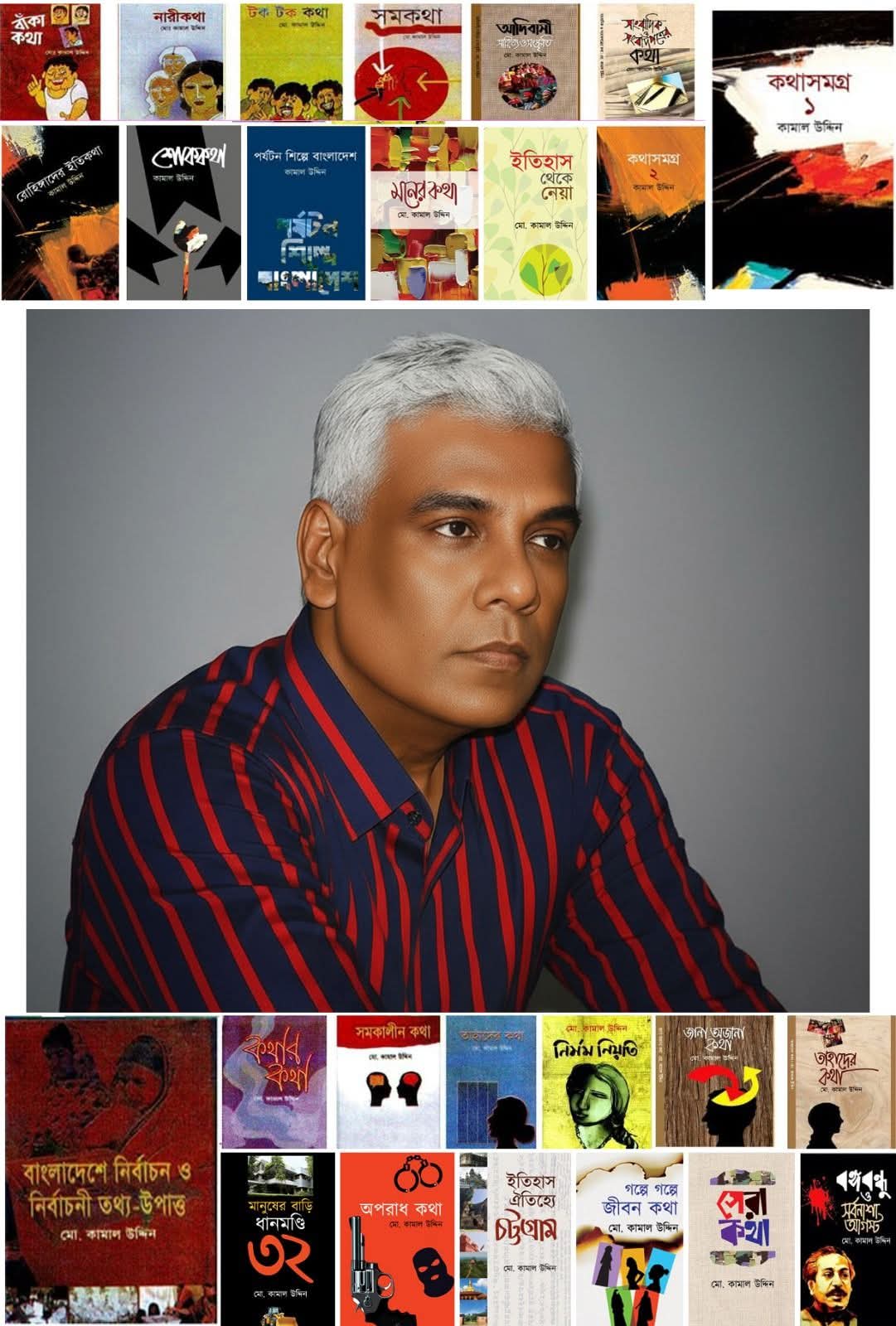
by Md. Kamal Uddin-
Reflecting on my journey through writing, I am reminded of the early days—around 1988, at the tail end of the 1980s—when I first began putting pen to paper. By now, I have covered a considerable path in time and experience, yet I humbly admit that I have not become a perfect writer. Perhaps it is this sense of incompleteness that compels me to pick up the pen each day and constantly question myself. Over these decades, I have published around thirty books. By numerical standards, this may not seem much, but for me, writing has never been about numbers; it has always been a matter of responsibility. My journey in journalism began in the 1990s. For over thirty years, I have navigated this field with courage and integrity, confronting crime, politics, and the darker sides of society. Yet, I do not consider myself a perfect journalist, for journalism is not a destination but a continual self-examination, where every report must stand accountable before one’s conscience. I joined television presentation in 2015, and within a short time, I gained recognition nationwide. Even so, I candidly admit that I am still learning. Popularity is never a measure of perfection; rather, it deepens one’s responsibility. Some milestones in my literary career have strengthened my confidence. My book Bangladesher Nirbachon O Nirbachoni Tottho Upatt (2010, Shoili Publication) has been included as a reference in the Political Science Department of Chittagong University, marking both an honor and a deeper sense of duty. My 2025 publication, Sangbadik O Sangbadpatrer Kotha (Abir Publications), has been recommended as a reference in the journalism departments of Dhaka, Rajshahi, Khulna, and even Calcutta University. Books such as Nari Kotha (on women’s lives and society), translated into Korean, and Taharader Kotha (a research-based account of the lives of sex workers, published by Shoili) have been referenced by at least ten international NGOs. These works have reinforced my belief that truth in writing knows no borders. Regular engagement with writing has also inspired hundreds of young journalists, which I regard as my greatest achievement. Yet, even after decades, some individuals—lacking any understanding of journalism, research, or television presentation—raise unnecessary controversies. I do not take these personally; in the flow of time, they are mere noise. I take pride in being a member of PEN International, through which I have participated as a writer, journalist, and organizer in nearly fifty events across twenty-eight countries. I am deeply grateful to Almighty Allah for enabling this journey. This column is not meant for self-praise. Rather, it is an acknowledgment of my imperfection and a reaffirmation that I am still learning—as a writer, journalist, and presenter. This sense of responsibility compels me to reflect on global journalism, its practitioners, and the realities of our context in Bangladesh. I believe that integrity, not perfection, defines a true writer and journalist. Journalism in the Global Context In many countries, becoming a journalist requires rigorous preparation, ethical scrutiny, and accountability to society. Yet, in some places, the title of “journalist” is easily claimed with a visiting card, a Facebook account, or a fake press ID. This disparity underscores the current state of global journalism. Countries with smaller populations often have proportionally higher numbers of journalists. For instance, Mongolia, with only 3–3.5 million people, has over 5,000 journalists. Similarly, Iceland, Norway, and Finland have impressive journalistic representation. What stands out in these countries is that nearly all journalists are formally trained, accredited, and operate under ethical standards. In Japan, Germany, and France, entering journalism is even more challenging, requiring formal education, institutional recognition, and years of professional experience. Here, quality and accountability outweigh sheer numbers. Bangladesh: Quantity Without Accountability In Bangladesh, the situation is starkly different. No reliable government statistics exist regarding the total number of journalists. Estimates suggest hundreds of thousands claim the title, yet many lack formal ties to registered media outlets, receive no salary, and have no professional training or editorial oversight.
This creates a clear divide between: 1. Legitimate Journalists Those employed in registered newspapers, TV channels, online or multimedia outlets, with contracts, editorial supervision, and accountability; they operate within the law, ethics, and professional discipline. 2. Illegitimate or Self-Proclaimed Journalists – Individuals unaffiliated with media organizations, often relying on fake press IDs or social media credentials; they exploit the title for extortion, intimidation, or collusion with criminal networks, damaging public trust in journalism. Why This Crisis is Dangerous Journalism is more than a profession; it is the moral mirror of the state and society. When impostors wear that mirror as a mask, truth is distorted, criminals hide, and those seeking to report honestly become targets. In developed countries, fewer journalists enjoy higher public trust; in Bangladesh, higher numbers have not prevented trust from shrinking. Immediate Steps Required National Registration of Journalists Implement minimum qualifications and mandatory training. Identification and Accountability Detect and prosecute fake journalists; ensure safety and dignity for genuine practitioners. Journalism is a noble pursuit—it is a fight for truth and justice. In democratic societies, journalists form the “Fourth Estate,” responsible for accountability, voicing the public’s concerns, and opposing corruption and injustice. This responsibility often exposes them to threats, attacks, harassment, or even life-threatening situations. Risks Faced by Journalists Political Retaliation – Criticism of corruption or malpractice invites false lawsuits, arrests, or attacks. Criminal and Economic Interests Reports on drugs, extortion, illegal sand and stone extraction, or land grabbing provoke death threats. Administrative Harassment Withholding information, obstructing news collection, or misuse of the Digital Security Act hinders reporting.
Digital Threats – Hackings, trolling, or personal data leaks create psychological distress. Institutional Neglect – Many media outlets fail to provide insurance, security training, or legal support.Internal Division – Political or factional divisions among journalists prevent unified support. Measures for Journalist Protection Legal and Policy Level: Enact laws safeguarding journalistic freedom and safety. Protect sources and prevent coercion. Include provisions to prevent misuse of digital security laws. Security Measures: 24/7 helpline for journalists in danger. Rapid police response teams. Security assistance in high-risk areas (political rallies, conflict zones, crime-prone regions).
Training and Capacity Building: Field safety training. Cybersecurity workshops. Legal awareness regarding arrests or lawsuits. Institutional Responsibility: Health, life, and accident insurance. Legal aid funds. Mental health counseling. Journalist Solidarity: Non-partisan organizations offering equal support. Unified protest in case of attacks.
Journalist safety is vital not just for reporters, but for the nation itself—without safe journalists, the public’s eyes and ears are blinded. Political parties, administrations, media owners, and journalist associations must collectively ensure safety and protection. Global Practices Europe: Norway, Sweden, Denmark: Mandatory health and life insurance; union support and emergency funds. Germany: Accident insurance, pension schemes, compensation to families in case of attacks. France: Legal protection and state compensation; emergency funds. UK: NUJ members receive insurance, legal aid, mental health support, and crisis funds. North America:USA: Major outlets provide comprehensive insurance and safety training. Canada: Joint insurance schemes; support via Canadian Journalists for Free Expression. Latin America:Mexico: Federal Mechanism for Protection of Journalists; police security, relocation, legal aid. Colombia: State-provided insurance, security personnel, and emergency financial aid. Asia:Japan: Health and accident insurance; extra coverage for foreign reporting. South Korea: Union insurance, training, legal aid; government security in risky zones. India: Some state-level insurance schemes; private media often provide coverage.Africa: South Africa: Legal aid, security training, some media-provided insurance.Kenya: Union-supported accident insurance and medical aid in case of attacks. International NGOs: CPJ: Legal and emergency financial support.Reporters Without Borders (RSF): Rescue, relocation, insurance. International Federation of Journalists (IFJ): Insurance programs, especially for disaster or conflict situations. I can also create a comparative chart of journalist protection worldwide highlighting country, law, insurance, compensation type, and responsible agency. This will clearly show which nations provide the strongest safety mechanisms.


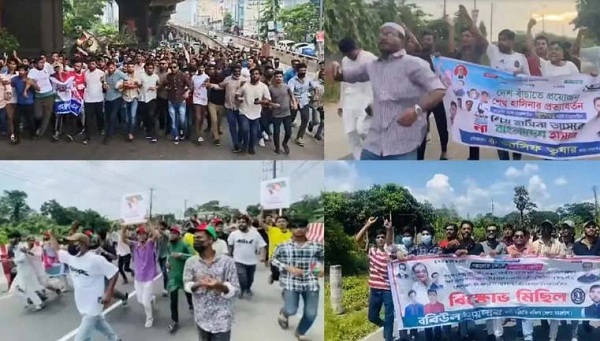
News Desk : Chattogram Buroue office: CMP Police and intelligence agencies have stepped up monitoring in Chattogram following a series of sudden processions allegedly organised by leaders and activists of the banned Bangladesh Chhatra League (BCL) in different parts of th...বিস্তারিত
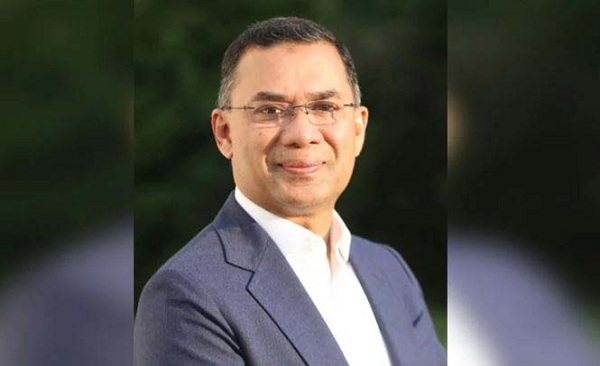
National Desk : : International Desk: PM Tarique Rahman has left New York for home after winding up a five-day visit packed with high-level engagements.An Emirates flight carrying the Prime Minister, his wife Dr Zubaida Rahman and members of his entourage departed John F Kenned...বিস্তারিত
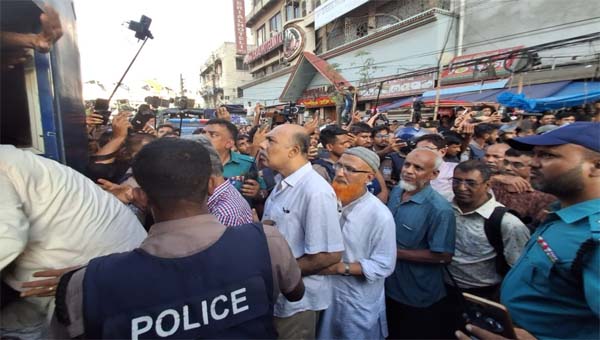
National Desk : : Maksud Ahammed: DMP(Dhaka Metropolitan Police) detained ‘more than 300 activists of the banned AL from the main office of the Jatiya Samajtantrik Dal- JASAD at Gulistan’s GPO intersection in Dhaka on Saturday afternoon.According to Police Sou...বিস্তারিত
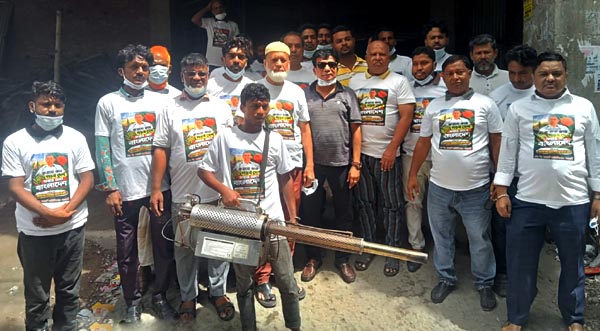
National Desk : : Abdus Sabur Khan from Tongi: On Wednesday (September 23), an initiative to spray insecticide for dengue mosquito prevention was carried out across various locations in Ward No. 56. This program was organized by Md. Akbar Hossain Faruk—who serves as the N...বিস্তারিত
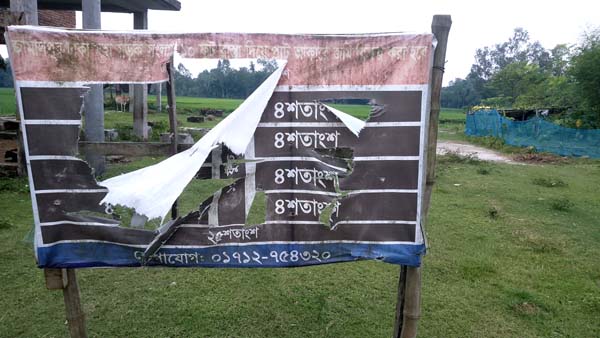
National Desk : : Reported by Shah Ali Bachchu from Jamalpur: Allegations have been raised regarding the dispossession of land—purchased and occupied 33 years ago—along with demands for extortion money and death threats. These allegations are directed against Alkach...বিস্তারিত
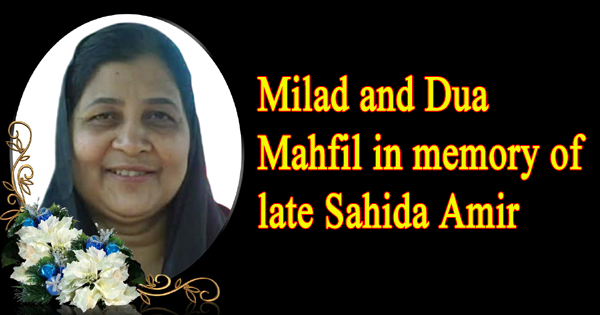
National Desk : : Benjamin Rafiq: A Milad and Dua Mahfil was held on Friday (September 18) after Jumu'ah prayers for Sahida Amir (63)—wife of the late Amir Khan and mother of Sajjad Khan(former Joint Convener of Motijheel Thana Jubo Dal), as well as Raju Khan and Riad...বিস্তারিত



National Desk : : Maksud Ahammed, Returend from Rupganj (Narayanganj): An allegation has been made against the headmaster of the school for selling government trees in the premises of Pitalganj Brahmankhali Government Primary School No. 23 in Rupganj Upazila of Narayanganj...বিস্তারিত
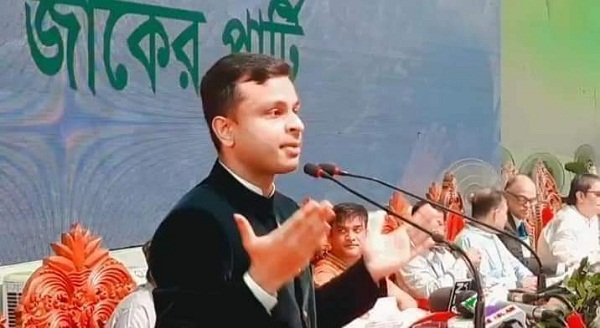
National Desk : : Alom Khan, Sibpur(Narshingdi) correspondant: Investing is not gambling; there is no room for emotional vulnerability in investment decisions. It is a measured and calculated quantitative and logic-driven investment decision. The stock, commodity, forex an...বিস্তারিত


© সর্বস্বত্ব স্বত্বাধিকার সংরক্ষিত ২০১৯ - © 2026 The DailyTourist BD | Developed By Muktodhara Technology Limited