
Chittagong Friday, 23 October 2026
Chittagong Friday, 23 October 2026
Headline
Md. Kamal Uddin | ০৯:৩১ পিএম, ২০২৫-১১-১৫
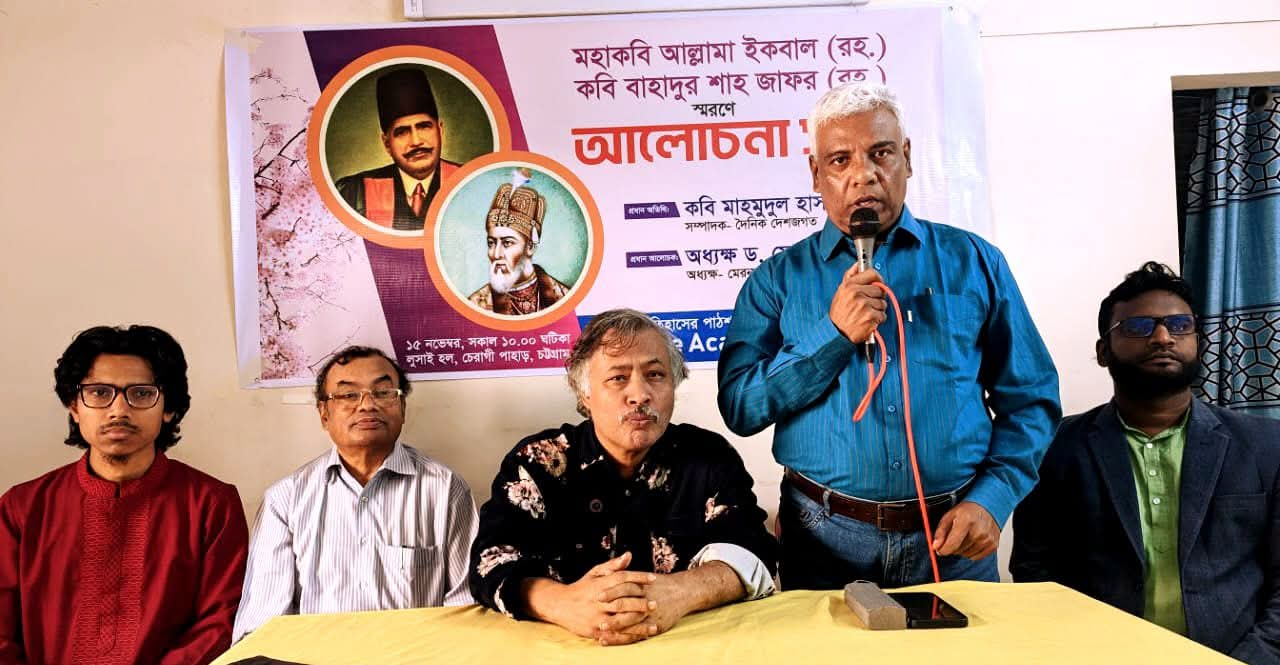
– Md. Kamal Uddin today, Saturday, 15 November 2025, a distinctive literary discussion was held at Lushai Hall, Cheragi Pahar, Chattogram, in memory of the great poet Allama Iqbal and poet-emperor Bahadur Shah Zafar (R.A.). It had been a long time since such a deeply thoughtful event was seen in Chattogram’s literary and cultural sphere. The soft morning light seemed to sanctify today’s occasion even more. Poet Mahmoodul Hasan Nizami was present as the chief guest. I—on behalf of Sada Kalo Multimedia News House—attended as the keynote speaker, presenting my thoughts on the lives, philosophies, and literary legacies of the two great poets. At the beginning of my speech, I said— “Iqbal and Shah Zafar are not merely two poets; they are two luminous beacons of two worlds. One is the herald of intellectual freedom, the other the immortal voice of a soul torn by sorrow. Iqbal taught our souls how to soar, and Shah Zafar taught us the eternal power of turning pain into words.” In the main part of my discussion, I highlighted three themes— The Intellectual World of Allama Iqbal: A Call to Self-Dignity
Iqbal’s poetry ignites radiance within the human soul. His poems like “The Bird and the Rose” or “Khudi ko kar buland itna…” still awaken fresh confidence within us. Iqbal taught that a person’s inner khudi—selfhood—is their true strength; a nation that does not know itself can never build its future. In today’s unsettled era, Iqbal’s vision is needed more than ever—because he called humanity toward dignity, values, and creativity. **Bahadur Shah Zafar (R.A.):
The Last Emperor on the Road of Sorrow** Shah Zafar was a poet seated upon a throne of grief. Though the last emperor of Delhi, the final days of his life were spent in captivity, humiliation, and endless suffering. Yet in that darkness he wrote— “Keh do Muhammad se ke Zafar, mar kar kafan mein jaaunga…”
—where he surrendered himself to the full burden of life’s pain. Zafar’s poetry teaches humility, patience, and steadfastness in inner truth. **The Literary Legacy of Two Great Poets: A Timeless Guide for the New Generation** Iqbal teaches self-awakening, and Zafar teaches surrender—together these create complete humanity. If the new generation embraces the literature of these two poets, they will learn to uncover the truth within themselves. Today’s event—with poetry recitation, discussion, and streams of literary reflection—will enrich the cultural landscape of Chattogram. Thanking the organizer, Sohel Mohammad Fakhruddin, I said— “Literature is not merely a remembrance of the past; it is a power that builds an enlightened future. Iqbal and Shah Zafar show us that path of strength.” At the end, I urged everyone— “Let us borrow fresh light from the memory of these great poets. Our time, society, and future—all demand a renewed awakening of literary values.” Iqbal: The Poet of Self-Awakening Born on 9 November 1877, Muhammad Iqbal was not only a poet—he was a philosopher, a master of spiritual awakening, an explorer of ideas. The core inspiration of his literary journey was to awaken the inner strength of human beings. He believed that unless a person recognizes their own capacity and dignity, no nation can rise. The Concept of Selfhood Iqbal repeatedly spoke of human identity, honor, and potential. His philosophy emphasized that humans must become so empowered that destiny itself bends before them. Synthesis of East and West Iqbal built a remarkable bridge between Eastern spirituality and Western rationality. In his works, knowledge, faith, reason, and strength blend into a unique philosophy of awakening. Notable Writings and Legacy Asrar-e-Khudi, Rumuz-e-Bekhudi, Bang-e-Dra, Zarb-e-Kalim—and the widely recited prayer still echoing in the voices of children: “May the desires of the heart find expression upon the lips.” Iqbal was not merely a poet—he was an architect of a nation’s self-identity. Zafar: The Melody of Loneliness and the Poetry of Pain Bahadur Shah Zafar—the last emperor of the Mughal Empire—is remembered more as a poet. From the moment he ascended the throne in 1837, his life was filled with struggle and crisis. Imperial power had nearly vanished, the British pressure had intensified—yet Zafar’s heart remained radiant with music, poetry, and humanity. Witness to Patriotism and Decline By the time the 1857 uprising began, Zafar was old and fragile. Still, the rebels saw in him a symbol of hope. He led the revolt, although it ultimately failed. Afterwards, he was exiled far away to Rangoon, where the final chapter of his life passed in loneliness and neglect. The Sorrow in Zafar’s Poetry In exile, Zafar wrote of profound human grief and despair: His poems are filled with— loneliness, the cry of sorrow, the cruelty of time, the tears of separation. In a famous poem he wrote— “The heart finds no peace in this barren world; What is ever lasting in this transient life?” And in his most heartbreaking lament— “How unfortunate is this Zafar! He did not even receive two yards of earth in his own homeland for his burial.” Such sorrow, such truth, such humanity—from the lips of an emperor—is rare in history. Two Lives, Two Paths—One Eternal Lesson Iqbal teaches us to look forward, to stand tall, to build the future in the light of faith. Zafar teaches that even in downfall there is dignity, in suffering there is truth, and in art lies immortality. One is the poet of awakening, the other the poet of sorrow. Yet both illuminate the human soul. Lessons for Today’s Generation Self-confidence is the root of human strength — Iqbal’s teaching. Even in defeat, humans do not lose dignity — Zafar’s teaching. Literature is the light of human conscience. When history is forgotten, the future becomes dark. The great Muhammad Iqbal and Emperor Bahadur Shah Zafar—though travelers of different paths—meet at the same point: awakening the human soul, protecting truth, and placing a lamp of light in the hands of humanity amidst the darkness of time. Their lives teach us— Power is temporary, but thought and poetry are eternal. Inner strength and the sorrowful truth together create the new light of history.



News Desk : Chattogram Buroue office: CMP Police and intelligence agencies have stepped up monitoring in Chattogram following a series of sudden processions allegedly organised by leaders and activists of the banned Bangladesh Chhatra League (BCL) in different parts of th...বিস্তারিত
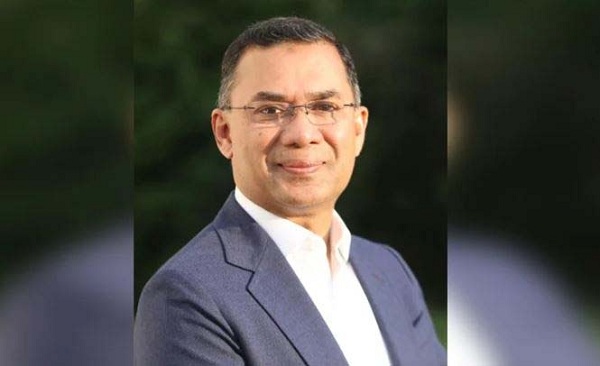
National Desk : : International Desk: PM Tarique Rahman has left New York for home after winding up a five-day visit packed with high-level engagements.An Emirates flight carrying the Prime Minister, his wife Dr Zubaida Rahman and members of his entourage departed John F Kenned...বিস্তারিত
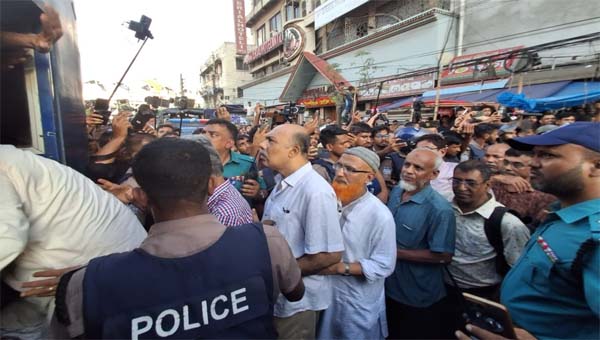
National Desk : : Maksud Ahammed: DMP(Dhaka Metropolitan Police) detained ‘more than 300 activists of the banned AL from the main office of the Jatiya Samajtantrik Dal- JASAD at Gulistan’s GPO intersection in Dhaka on Saturday afternoon.According to Police Sou...বিস্তারিত

National Desk : : Abdus Sabur Khan from Tongi: On Wednesday (September 23), an initiative to spray insecticide for dengue mosquito prevention was carried out across various locations in Ward No. 56. This program was organized by Md. Akbar Hossain Faruk—who serves as the N...বিস্তারিত
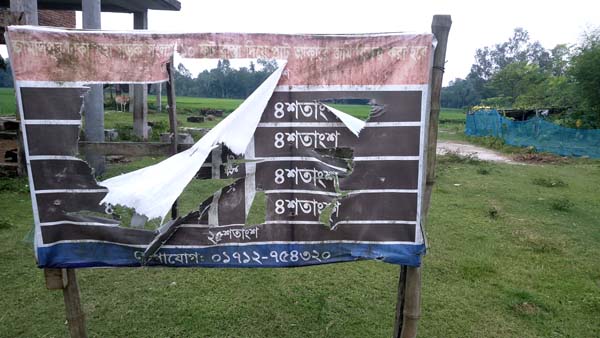
National Desk : : Reported by Shah Ali Bachchu from Jamalpur: Allegations have been raised regarding the dispossession of land—purchased and occupied 33 years ago—along with demands for extortion money and death threats. These allegations are directed against Alkach...বিস্তারিত
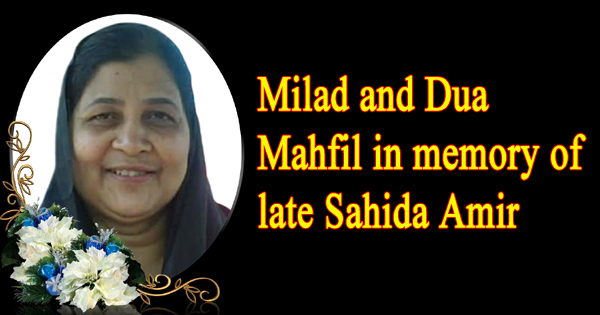
National Desk : : Benjamin Rafiq: A Milad and Dua Mahfil was held on Friday (September 18) after Jumu'ah prayers for Sahida Amir (63)—wife of the late Amir Khan and mother of Sajjad Khan(former Joint Convener of Motijheel Thana Jubo Dal), as well as Raju Khan and Riad...বিস্তারিত



National Desk : : Maksud Ahammed, Returend from Rupganj (Narayanganj): An allegation has been made against the headmaster of the school for selling government trees in the premises of Pitalganj Brahmankhali Government Primary School No. 23 in Rupganj Upazila of Narayanganj...বিস্তারিত
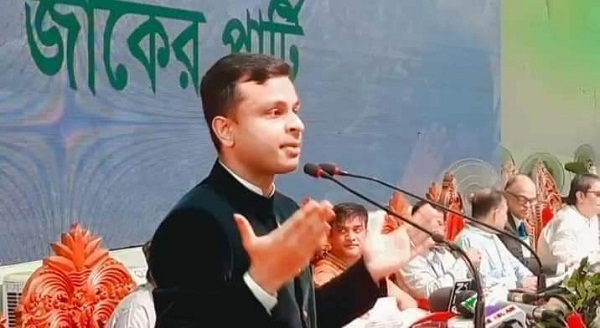
National Desk : : Alom Khan, Sibpur(Narshingdi) correspondant: Investing is not gambling; there is no room for emotional vulnerability in investment decisions. It is a measured and calculated quantitative and logic-driven investment decision. The stock, commodity, forex an...বিস্তারিত


© সর্বস্বত্ব স্বত্বাধিকার সংরক্ষিত ২০১৯ - © 2026 The DailyTourist BD | Developed By Muktodhara Technology Limited