
Chittagong Friday, 23 October 2026
Chittagong Friday, 23 October 2026
Headline
Md. Kamal Uddin | ০৪:৩৪ পিএম, ২০২৫-১২-৩০
-Mohammad Kamal Uddin
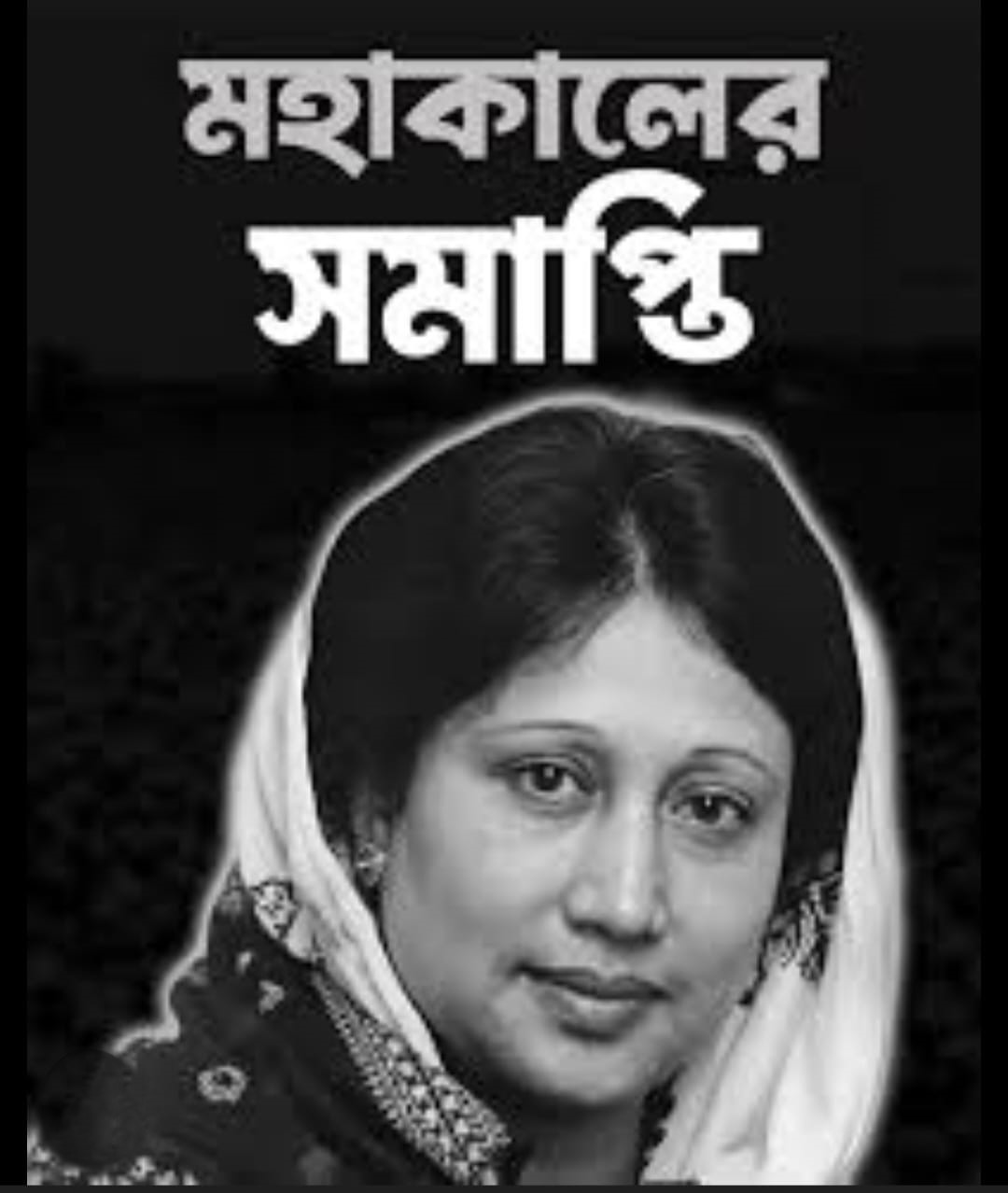
Bangladesh’s political history has produced certain figures who did not leave their mark merely by holding power, but by earning the trust, courage, and collective struggle of the people. Begum Khaleda Zia stands as one of those rare leaders. The silence that surrounds Bangladesh today—her absence from streets, public rallies, and political platforms—is not the silence of sudden mourning. It is the outcome of a long, calculated process, born of years of humiliation, neglect, isolation, and relentless political pressure. Today, people say, “Begum Khaleda Zia is no longer among us.” She may still be breathing, she may still lie in a hospital bed, but on the moral map of the state and at the center of public trust, she is absent.This void did not emerge overnight. It is the result of prolonged political suffering a slow, deliberate death before death. History did not shape her; rather, history placed her on trial.She was not born into politics. She did not grow up chanting slogans or marching in movements. She was a calm, reserved woman whose world revolved around her family. But history is never silent. On May 30, 1981, a single gunshot did not only assassinate a president it gave birth to an unwilling leader. The killing of Shaheed President Ziaur Rahman intensified Bangladesh’s political crisis, but it also forced Begum Khaleda Zia onto the political stage. I personally witnessed her during the anti-Ershad movement of the 1980s, standing on the streets with the masses. In her eyes was unyielding determination; in her steps, a profound sense of responsibility. The transformation from a homemaker to a leader of the people was not easy. Her leadership was defined by composure. She was not loud; her strength lay in decisiveness. Her understanding of power was different. She knew that governing a state is not merely about holding office it is about responsibility, restraint, and moral boundaries. Power was never her identity; resistance was. But after she left power, darkness followed. One case after another. Arrests. Sieges. Political isolation. She was no longer merely an opponent she had become a fear. And fear breeds oppression. Begum Khaleda Zia’s imprisonment was not ordinary incarceration; it was a naked display of political vengeance. Keeping an elderly, seriously ill former prime minister behind bars for years marked a defeat of civilization itself. Restricting medical care, narrowing humanitarian considerations, enforcing isolation these were not acts of justice but expressions of state-sponsored cruelty. Imprisonment is not new in politics, but incarcerating a frail, aging leader in such conditions was inhumane. It was not her body that collapsed it was the moral integrity of the state. Denying her permission to seek medical treatment abroad and turning her life into a political bargaining chip revealed the most ruthless face of power. I remember her during the movements—fearless, composed, strategic. Students chanted slogans, but her every step reflected planning and accountability. Even then, it was clear: this woman was destined to lead. Her time in office was not without controversy. There were mistakes, limitations, and criticisms. But she never turned the state into a one-party estate. She did not treat power as a permanent throne. Her leadership was defensive, firm, and restrained. After losing power, however, darkness engulfed her political life cases, arrests, and relentless persecution. Yet she never retreated. Despite repeated humiliation and repression, she was never heard saying, “I am tired.” Her path was paved with blood, sweat, tears, and courage.
Today, Begum Khaleda Zia is gravely ill. This is not merely the consequence of age; it is the result of years of neglect, imprisonment, and mental torture. The state had a duty to protect her, but instead chose to be a ruthless spectator. Her exit from politics has been silent. We no longer see her on the streets, no longer hear her firm voice from public platforms. This silence is terrifying. It is not natural it has been imposed. This is not physical death; it is the documented history of a political life being systematically destroyed. Her presence, her powerful voice in public gatherings, her quiet resolve these are now absent. But history remembers. History honors courage. Begum Khaleda Zia was not flawless, but she was unwavering. She did not compromise where compromise meant surrender. This is not an announcement of death. This is a document of death before death. Begum Khaleda Zia you are among us, yet you are not. But in the light of history, in the chronicles of struggle, and in the memory of democracy you will remain. Silently. Firmly. Indelibly.



News Desk : Dhaka; 17 June 2026: Pakistan High Commission Dhaka organised a seminar titled "The Legacy of the Nawab: An Ode to the Life and Times of Sir Salimullah Bahadur" to commemorate the 155th birth anniversary of Nawab Sir Salimullah Bahadur an...বিস্তারিত

International Desk : : Maksud Ahammed (international Desk) : The Imam of the Prophet's Mosque, Sheikh Ali Al-Hudhaifi, appealed for unity and discipline when delivering the Arafah Wukuf sermon 1447 Hijriah at the Namirah Mosque on Tuesday. The sermon was attended by the Deput...বিস্তারিত

Md. Kamal Uddin : News Desk: The Commerce Minister told reporters after a meeting to ensure proper management of sacrificial animal-related matters at the Commerce Ministry The government has made extensive preparations for the preservation and proper use of sacrificial anim...বিস্তারিত
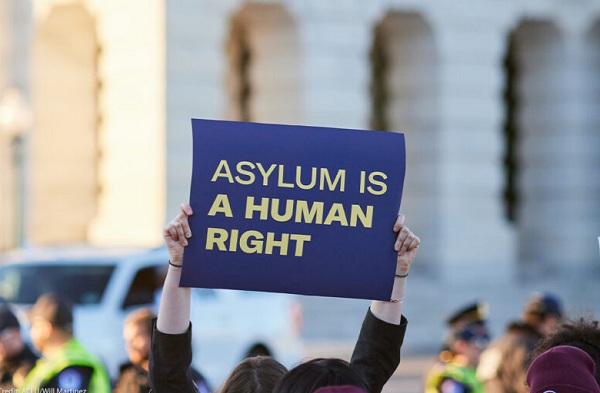
Md. Kamal Uddin : International Desk: 'Our border is now the most secure in history,' when Tom Homan boasted at the Border Security Expo in Phoenix, Arizona on May 5, the entire hall erupted in applause. The reason for the joy of this official assigned to Donald Trump&#...বিস্তারিত

Special Correspondent : In the aftermath of the Awami League government’s collapse, Bangladesh has entered a phase of intense political retribution marked by violence, arson, and targeted persecution of individuals associated with the former regime. Among those at exceptionally...বিস্তারিত

Md. Kamal Uddin : By Md. Kamal Uddin The morning begins in the absence of gas, and the evening drifts into the haze of uncertainty. In Chattogram and other major cities across the country, daily gas load-shedding has become a silent punishment. Kitchens remain cold, yet govern...বিস্তারিত



National Desk : : Maksud Ahammed, Returend from Rupganj (Narayanganj): An allegation has been made against the headmaster of the school for selling government trees in the premises of Pitalganj Brahmankhali Government Primary School No. 23 in Rupganj Upazila of Narayanganj...বিস্তারিত
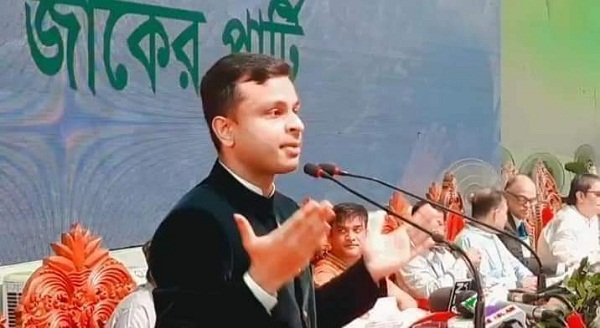
National Desk : : Alom Khan, Sibpur(Narshingdi) correspondant: Investing is not gambling; there is no room for emotional vulnerability in investment decisions. It is a measured and calculated quantitative and logic-driven investment decision. The stock, commodity, forex an...বিস্তারিত


© সর্বস্বত্ব স্বত্বাধিকার সংরক্ষিত ২০১৯ - © 2026 The DailyTourist BD | Developed By Muktodhara Technology Limited